Neuropathy Treatment in Philadelphia, PA
Relief for Numbness, Tingling, Burning Pain, and Peripheral Neuropathy Symptoms

If you’re experiencing numbness, tingling, burning sensations, foot pain, balance problems, or unexplained discomfort in your hands or feet, peripheral neuropathy may be affecting your quality of life.

At Summit Spine & Wellness, we provide comprehensive evaluations and personalized treatment programs for patients suffering from neuropathy-related symptoms. Our goal is to help reduce discomfort, improve function, and support your ability to stay active and independent.

Whether your symptoms are related to diabetes, injury, circulation issues, or another underlying condition, our team works to identify contributing factors and develop a treatment plan tailored to your needs.

What Is Peripheral Neuropathy?

Peripheral neuropathy occurs when nerves outside the brain and spinal cord become damaged or dysfunctional.

These nerves are responsible for transmitting signals between the brain and the rest of the body. When nerve function is disrupted, patients may experience abnormal sensations, pain, weakness, or balance problems.

Neuropathy most commonly affects the feet and legs, but symptoms can also occur in the hands and arms.

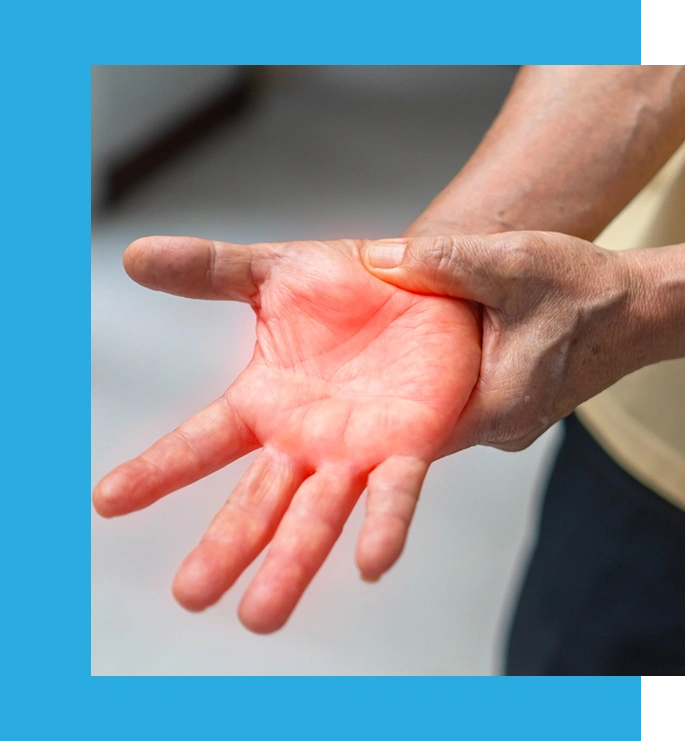
Common Symptoms of Neuropathy

Neuropathy symptoms vary from person to person but often include

Numbness in the feet or hands
Tingling or “pins and needles” sensations
Burning pain
Sharp, stabbing, or electric shock-like pain
Muscle weakness
Balance problems
Increased risk of falls
Cramping
Sensitivity to touch
Difficulty walking
Reduced sensation in the feet
Pain that interferes with sleep
Many patients notice symptoms beginning in the toes or feet before gradually progressing upward over time.

What Causes Neuropathy?

Neuropathy can develop for many different reasons.

Some of the most common causes include

Diabetic Neuropathy

Diabetes is one of the leading causes of peripheral nerve damage and can affect sensation, circulation, and balance.

Nerve Compression

Conditions affecting the spine, discs, or surrounding tissues may contribute to nerve irritation and neurological symptoms.

Injuries and Trauma

Car accidents, sports injuries, falls, and repetitive stress can sometimes damage peripheral nerves.

Circulatory Problems

Poor circulation may contribute to nerve dysfunction and delayed healing.

Idiopathic Neuropathy

In some cases, neuropathy develops without a clearly identifiable cause.

Because multiple factors can contribute to neuropathy symptoms, a thorough evaluation is essential before beginning treatment.

Our Approach to Neuropathy Care

At Summit Spine & Wellness, we begin by understanding your symptoms, medical history, lifestyle, and overall health.

Your evaluation may include

Health history review
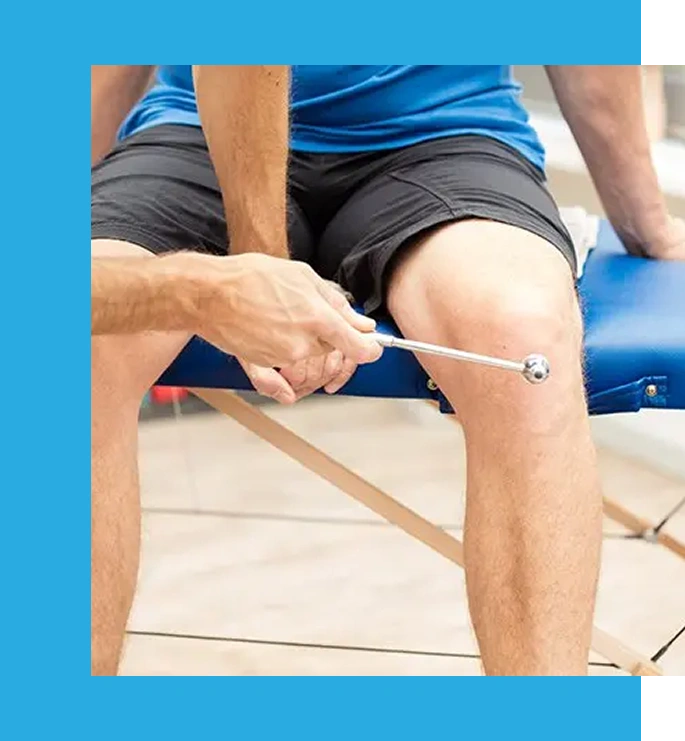
Neurological assessment
Balance and mobility evaluation
Examination of circulation and sensation
Assessment of spinal and musculoskeletal function
Our goal is to identify factors that may be contributing to your symptoms and develop a personalized care plan.

Neuropathy Treatment Options

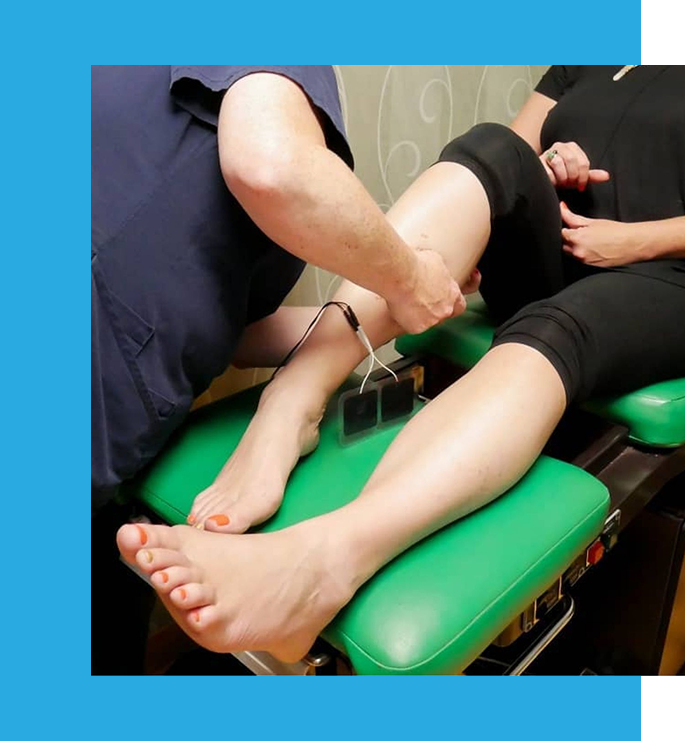
Depending on your condition, your treatment program may include therapies designed to support nerve health, improve circulation, reduce pain, and enhance overall function.

Treatment recommendations may focus on

Improving circulation
Supporting nerve function
Enhancing balance and stability
Improving mobility
Reducing pain and discomfort
Addressing musculoskeletal factors that may contribute to symptoms
Every treatment plan is customized to the individual patient and adjusted as progress is made.

Benefits of Neuropathy Treatment

Patients may experience improvements such as

Reduced burning and tingling sensations
Improved balance
Better mobility
Increased confidence when walking
Improved sleep quality
Reduced discomfort in the feet and hands
Greater ability to participate in daily activities
While outcomes vary depending on the severity and cause of the condition, early intervention often provides the greatest opportunity for improvement.

Why Neuropathy Shouldn’t Be Ignored

Many people assume numbness, tingling, or foot pain is simply part of getting older.

However, untreated neuropathy may continue to progress and can increase the risk of

Falls
Loss of balance
Reduced mobility
Foot injuries
Chronic pain
Decreased quality of life
The sooner symptoms are evaluated, the sooner an appropriate treatment strategy can be developed.

Schedule a Neuropathy Evaluation

If numbness, tingling, burning pain, or balance problems are affecting your daily life, we’re here to help.

Contact Summit Spine & Wellness today to schedule a consultation and learn about your options for neuropathy treatment in Philadelphia.


Frequently Asked Questions

What is peripheral neuropathy?
Peripheral neuropathy is a condition involving damage or dysfunction of nerves outside the brain and spinal cord, often causing numbness, tingling, burning sensations, weakness, or pain.
What causes neuropathy in the feet?
Common causes include diabetes, nerve compression, injuries, circulation problems, certain medications, and other medical conditions.
Can neuropathy be reversed?
The answer depends on the cause and severity of the condition. Some cases improve significantly with proper management, while others focus on slowing progression and reducing symptoms.
Is neuropathy treatment painful?
Most neuropathy therapies are comfortable and designed to improve function while minimizing discomfort.
When should I seek treatment for neuropathy?
If you’re experiencing numbness, tingling, burning pain, balance problems, or unexplained weakness, it is important to seek evaluation as early as possible.
Does neuropathy always affect the feet?
No. Neuropathy can affect the feet, legs, hands, arms, and other areas of the body depending on which nerves are involved.
Can neuropathy increase my risk of falling?
Yes. Reduced sensation, weakness, and balance difficulties associated with neuropathy can increase fall risk, especially in older adults.