Shockwave Therapy in Philadelphia, PA

Non-Invasive Treatment for Chronic Pain, Tendon Injuries, and Soft Tissue Conditions
If you’ve been dealing with chronic pain, tendon injuries, plantar fasciitis, tennis elbow, or a nagging condition that just won’t heal, shockwave therapy may provide the breakthrough you’ve been looking for.
At Summit Spine & Wellness, we use advanced shockwave therapy to stimulate the body’s natural healing response, improve circulation, and help patients recover from musculoskeletal injuries without surgery, injections, or long-term medication use.
This innovative treatment has become increasingly popular among athletes, active adults, and individuals seeking alternatives to more invasive procedures.
What Is Shockwave Therapy?
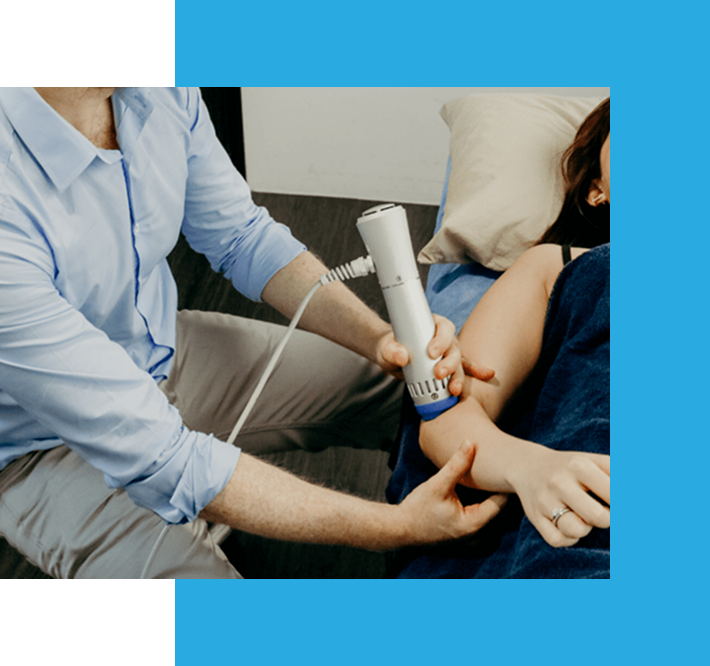
Shockwave therapy, also known as extracorporeal shockwave therapy (ESWT), uses high-energy acoustic waves to stimulate healing within injured tissues.
These sound waves penetrate deep into muscles, tendons, ligaments, fascia, and other soft tissues, helping promote cellular activity and supporting the body’s natural repair processes.
Shockwave therapy is commonly used for chronic conditions that have been slow to respond to traditional treatment approaches.

How Shockwave Therapy Works
When tissue becomes injured, the body typically initiates a healing response.
However, in some chronic conditions, healing may slow or stall, leaving patients with ongoing pain, inflammation, and reduced function.
Shockwave therapy helps stimulate biological responses that may support recovery by
The result is often improved healing, reduced pain, and better overall function.
Shockwave therapy is frequently used to address

Plantar Fasciitis

Tennis Elbow and Golfer's Elbow
Achilles Tendonitis

Shoulder Pain
Knee Pain
Tendonitis and Tendinopathy

Scar Tissue and Soft Tissue Restrictions
Sports Injuries
Athletes often use shockwave therapy to support recovery and return to activity more efficiently.
Additional conditions that may benefit include


Benefits of Shockwave Therapy
Patients often choose shockwave therapy because it is:
What to Expect During Treatment
Shockwave therapy is performed in our office and typically takes approximately 10–15 minutes.
During treatment
- A conductive gel is applied to the treatment area.
- A handheld applicator delivers acoustic waves to the affected tissues.
- Treatment intensity is adjusted based on your condition and comfort level.
Most patients tolerate treatment well. Some areas may feel mildly sensitive during treatment, particularly if significant inflammation is present.
Temporary soreness after treatment is possible and generally resolves quickly.


How Many Treatments Are Needed?
The number of treatments depends on your diagnosis, the severity of your condition, and how long symptoms have been present.
Many patients begin noticing improvement within several sessions, while more chronic conditions may require additional treatment.
Your provider will create a personalized treatment plan based on your goals and response to care.
Shockwave Therapy as Part of a Comprehensive Recovery Plan
At Summit Spine & Wellness, shockwave therapy is often combined with other therapies to maximize results.
Depending on your condition, your treatment plan may include


Who Is a Candidate for Shockwave Therapy?
Shockwave therapy may be appropriate for patients experiencing
Individuals who are pregnant, have certain medical conditions, or have specific implanted medical devices may not be candidates. A thorough evaluation will help determine whether shockwave therapy is right for you.
Schedule a Consultation
If pain, stiffness, or a slow-healing injury is preventing you from enjoying the activities you love, shockwave therapy may provide a non-surgical path toward recovery.
Contact Summit Spine & Wellness today to schedule an evaluation and learn whether shockwave therapy is right for you.
Frequently Asked Questions
Does shockwave therapy hurt?
Most patients tolerate treatment very well. Some discomfort may occur in particularly sensitive areas, but treatment is generally brief and manageable.